

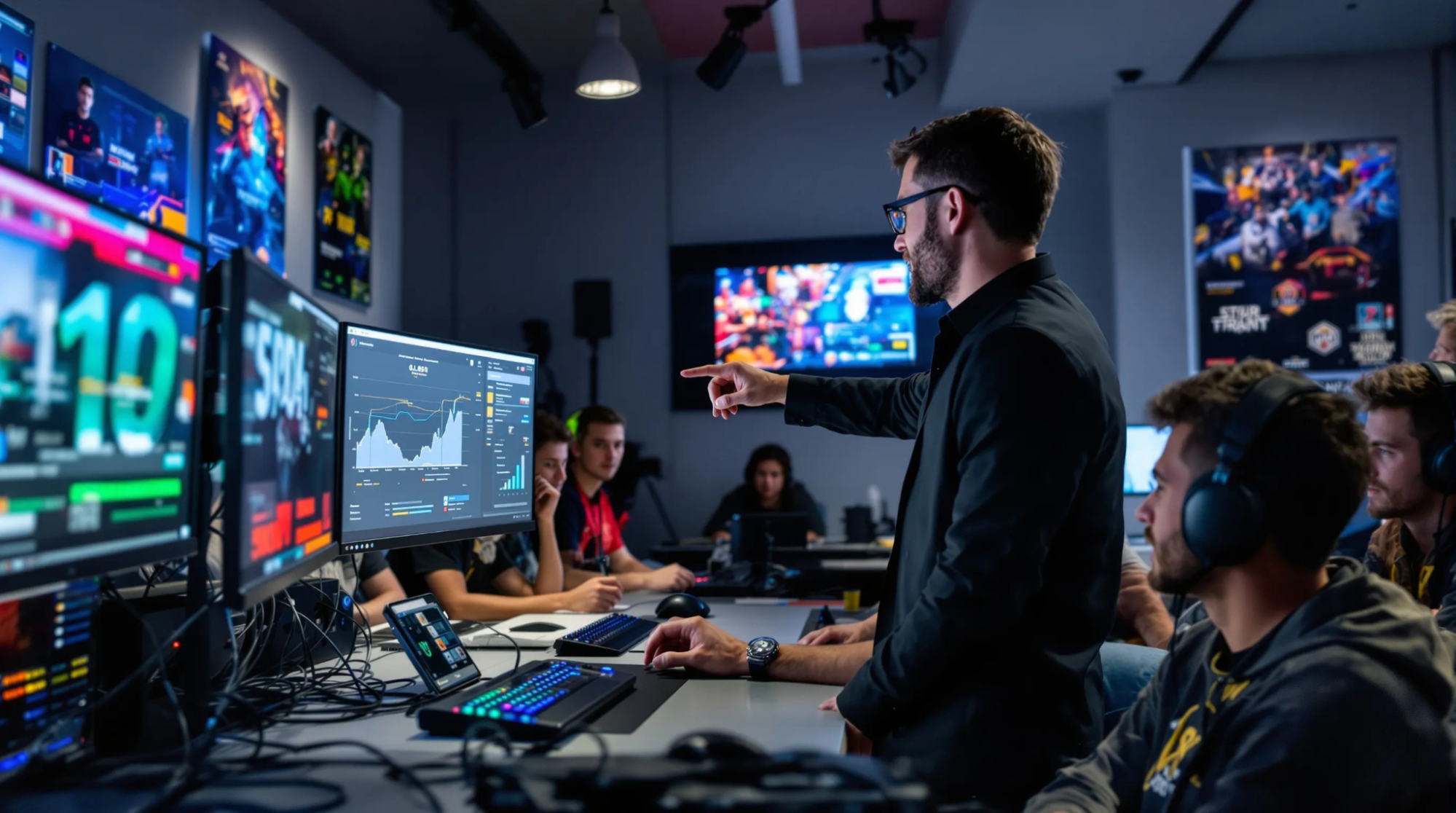

Let’s face it, when you think of esports, you might picture the players clutching their controllers and diving into intense games. But what about the masterminds orchestrating behind the scenes? That’s right, we’re talking about the esports coach, the unsung hero of competitive gaming. Just like a conductor leading an orchestra, a skilled esports coach fine-tunes the team’s performance, sharpens strategies, and transforms raw talent into victory. So, grab your energy drink and settle in as we explore how these strategic geniuses shape the future of gaming.
The Role of an Esports Coach
In the rapidly evolving world of esports, the role of a coach is pivotal. We often think of these coaches as the navigators of strategy, guiding our teams through complex online battles. But what exactly do they do?
Key Responsibilities
Firstly, let’s break down their key responsibilities. A successful esports coach not only designs training regimens but also analyzes gameplay, reviews performances, and provides tactical insights. They prepare the team for each matchup, assessing strengths and weaknesses to develop tailored strategies. It’s a multifaceted role that goes far beyond simply shouting instructions from the sidelines.
Leading Team Strategy and Tactics
A significant part of our job is leading team strategy and tactics. Every game presents unique challenges, and it’s our responsibility to ensure the team is both adaptable and cohesive. We jump into pre-game analysis, dissecting the opposing team’s playstyle to craft counter strategies. This involves intense discussions, brainstorming sessions, and sometimes, deliberating over that one last game-winning move.
Player Development and Training
Finally, player development and training are at the heart of our coaching methodology. We’re committed to honing both the mechanical skills and mental fortitude of our players. This includes conducting workshops, organizing scrimmages, and offering personal feedback to help each player grow. In our eyes, every moment spent in practice is a chance to elevate our game.
Building Team Dynamics
One of the most crucial aspects of being an esports coach is building effective team dynamics. We all know that great teamwork can often be the deciding factor in competitive environments.
This means fostering trust among players, embedding a culture of communication, and ensuring everyone feels valued. Our role evolves into that of a team psychologist, fine-tuning interpersonal relationships to enhance performance. Team bonding activities, whether online or offline, help us in reinforcing these connections, leading to better synergy during high-pressure situations.
Essential Skills for Esports Coaches
To truly excel in this role, certain skills are non-negotiable. As esports coaches, we wear many hats, and possessing a diverse skill set is essential.
Communication and Leadership
Firstly, communication and leadership go hand in hand. We have to articulate strategies clearly while motivating players. Without effective communication, misunderstandings can snowball into frustrating performances. Our goal is to inspire confidence: we’re the guiding force that transforms individual talent into a unified force.
Analytical Skills and Game Knowledge
Next, analytical skills and deep game knowledge are a must. We need to understand every detail about the games our players compete in. This includes mechanics, meta shifts, and current patches. Analyzing data and gameplay footage enables us to provide relevant feedback. As trends evolve, so must we.
Adapting to Different Game Genres
Esports encompasses a multitude of game genres, each with its unique strategies and demands. As versatile coaches, we must be adept at adjusting our approach depending on the game we’re working with.
Whether leading a team in a fast-paced shooter or a strategy-based title, we constantly adapt our coaching techniques to fit the game’s nuances. Our ability to pivot impacts not just our strategy but also the players’ performance and morale.
The Future of Esports Coaching
Looking ahead, the future of esports coaching appears dynamic and promising. As the industry grows, so will the demand for specialized coaches who can manage everything from player wellness to advanced analytics. Integrating technology into our coaching practices is becoming imperative.
We see increased use of AI-driven analytics tools that can provide real-time feedback. Also, the focus on mental health and well-being will continue to shape how we train and support our players. Embracing these changes is vital for those of us looking to stay relevant in this fast-paced environment.